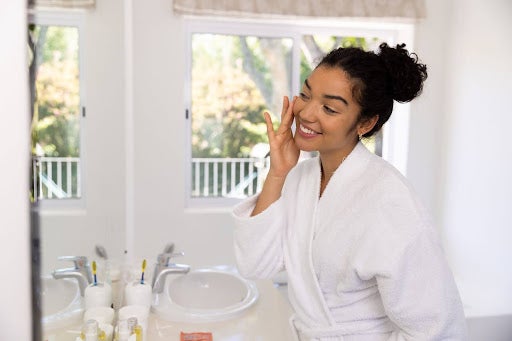
So, you just received a microneedling facial. Your face looks a little bit red and sensitive, but other than that, you’re feeling great. Now what? Is there a microneedling aftercare routine you need to look into to take care of your healing skin? Since microneedling is a minimally invasive, non-surgical procedure, you can go about the rest of your day without much need for concern. HOWEVER, there are a few important tips we recommend you follow after you receive your microneedling treatment to help your skin look and feel healthy in the long run. In this blog, we’ll dive into 10 revitalizing microneedling aftercare tips to promote the best results within the first week after your treatment. Let’s get started! Why Microneedling Aftercare is Important You may be wondering if microneedling aftercare is really all that necessary. In most cases, YES. It is necessary if you want to see the best results and experience minimal discomfort. But, why? To answer that question, it’s important to understand what happens to your skin after you receive a microneedling facial. What Happens to Your Skin AFTER Microneedling? Microneedling uses tiny needles to puncture the skin, which create micro-injuries. After microneedling treatment is complete, your body will want to naturally heal these micro-abrasions. This is where the magic happens. Once the healing process is triggered, your body will begin to produce more collagen and elastin, which are both vital for youthful-looking skin. With increased collagen and elastin, along with specially formulated serums that may have been used during your microneedling procedure, your skin will experience a: Thicker and tighter epidermis layer Reduction in wrinkles, crows feet, and fine lines Stronger skin tension The less-prominent appearance of acne scars With that being said, microneedling aftercare is extremely important for those who want to take care of their skin while it is healing and get great-looking results. What If I Already Have a Skincare Routine? As a health and beauty-conscious person, you might already have a skincare routine that nourishes and protects your skin. Do you need to change it? Yes and no… it really depends on the products you use. Here’s the problem: Not all skincare routines are good for skin that just received microneedling. Even if they are normally great for your skin, some lotions, cleansers, and beauty products may actually irritate and burn the microneedling site. Plus, there are some other factors, like makeup, that may agitate your skin and are best for you to avoid for a couple of days after treatment. 10 Microneedling Aftercare Tips for Healthy Skin Without further ado, here are 10 must-know microneedling aftercare tips. If you follow a microneedling aftercare routine, it will ensure you: Enjoy the best skin results possible Experience as little discomfort as possible Encourage renewed, radiant skin Ready to get started? Let’s dive in! 1. Protect Your Skin from the Sun It’s no secret that UV rays damage the skin. Right after a microneedling treatment, your already sensitive skin will be at a greater risk of getting damaged and irritated if it is exposed to the sun for too long. With that being said, you probably don’t want to plan a beach day within the first couple of days after your facial. Furthermore, it’s best to avoid putting sunscreen all over your face, especially if your sunscreen contains chemicals and fragrances. Once your skin starts to heal and isn’t so red and sensitive, then you can apply an all-natural, chemical-free sunscreen, particularly formulas that contain zinc oxide and minimal ingredients. 2. Don’t Wear Makeup Similar to sunscreen, it’s not a good idea to put on makeup after a microneedling treatment. As a general rule of thumb, it’s best to avoid wearing makeup for at least 24 hours. And even then, your makeup should remain light for a couple of days so it doesn’t clog or irritate any of the micro-injuries created by the procedure. Pro-Tip: If you absolutely must wear makeup, use products made from simple, organic ingredients. Believe it or not, there are MANY different types of cosmetics that are specially formulated to omit fake colors, fragrances, and chemicals that irritate the skin. Some products are 100% vegan and derived from coconut oil like this Coconut Concealer, while others are made from other sustainable products like tallow and organic beetroot powder. 3. Hydrate, Hydrate, Hydrate! Did you know that your skin is made up of 64% water? Good ol’ H2O is what makes your skin look so plump and nourished! Without proper hydration, your skin will begin to appear wrinkled, dry, and aged. Particularly after microneedling, your body will be kicking collagen and elastin production into overdrive. The healing process requires more water to function properly. Therefore, you should definitely plan to carry around your Stanley Cup full of water! Pro-Tip: If you struggle with hydration, consider IV Therapy. This simple treatment hooks up an IV drip to your body that is FULL of essential vitamins, minerals, and H2O. It is a great way to stay hydrated and healthy. This leads us to our next microneedling aftercare tip… 4. Boost Your Vitamin-C Good vitamin intake is a must if you want your skin to heal beautifully from the inside out. In particular, vitamin C is a key nutrient for revitalized skin. This vitamin is known to protect against infection, improve healing time, build up your immune system, and provide a natural glow to your skin. You can naturally boost your vitamin-C levels by eating vitamin-C-rich foods like citrus, red peppers, and broccoli, or you can choose to take vitamin-C supplements or schedule IV Therapy. 5. Try Not to Touch Your Skin After microneedling, your skin will be delicate. Although it might be tempting to rub or pat your face, avoid touching your skin. Not only will persistent touching cause further agitation to your sensitive skin, but it might also disrupt the healing process. Oils and possibly other contaminants on your hands may clog pores, dry out the skin, or cause irritation. Furthermore, do not pick at your face. It is best to leave any bumps, lines, and scars that may be present on your face alone. Give your skin a chance to relax and ‘breathe’ after treatment! 6. Use a Gentle Cleanser ALERT: STAY AWAY FROM SUGAR AND SALT SCRUBS!???? Your face is already exfoliated enough from the microneedling procedure. It is a bad idea to use abrasive ‘cleansers’ like sugar scrubs directly on the treatment site. This may hurt your skin. Instead, opt for a gentle cleanser that does not contain any gritty or abrasive agents intended for exfoliation. 7. Stay Away from Chemicals Speaking of gentle cleansers, you also want to avoid any products that contain unnatural chemicals. Chemical compounds like parabens, phthalates, and sodium laureth sulfate (SLS) are commonly found in lotions, makeup, and shampoos that may disrupt the skin’s natural healing process. You might even want to steer away from baby oil and petroleum jelly (Vaseline), which are derived from oil and gas production. As we mentioned before, there are plenty of other cleaner options on the market like coconut oil, lye-free soap, manuka honey tallow cream, and caster oil. This next tip goes along with the chemical-free products recommendation as well. 8. Opt for Fragrance-Free Products Unfortunately, the U.S. market is filled to the brim with beauty products that aren’t completely safe for the skin and body. More times than not, if a product lists ‘fragrance’ or ‘perfum’ on the ingredient label, then the product has some nasty chemicals in it that you don’t want soaking into your skin. Especially while your skin is healing from microneedling, avoid products that contain fragrances that are NOT derived from essential oils. Some of these products may come in the form of: Makeup Remover Wipes Makeup Setting Spray Scented Face Cleansers Body Wash Soaps Lotions Skin Care Ointments Shampoos Conditions We suggest you check the ingredients label before putting any of these products near the microneedling site. Pro-Tip: If the packaging lists ‘essential oils’ as the source of fragrance, these are usually SAFE to use. Even better if the ingredients are organic and sustainable sourced! 9. Avoid Heat Right after your microneedling facial, you will want to avoid excessive heat for a couple of reasons. First, heat tends to suck moisture out of your skin and dehydrates it. As we mentioned before, you want to stay hydrated while your skin is healing! Second, sweating may cause your skin to feel hot, red, and irritated. We want to try to steer away from discomfort at the treatment site so it can relax and heal. Hot showers, saunas, hair dryers, and excessively hot outdoor weather should be avoided for 48 hours after treatment. If you want to take a shower, make sure the temperature is lukewarm or cold. 10. Invest in a Filtered Shower Head Last but not least, if you plan to get multiple microneedling treatments in the future, consider investing in a filtered showerhead. Oftentimes, the water that comes out of our showers is hard. Chlorine and other contaminants may be found as it pours out of the faucet. In particular, chlorine is known to dry out the skin, causing itching, redness, and irritation. A filtered shower head is a simple solution to combat chlorine and other irritants. Most people find that their skin feels and looks healthier after they add a filter. Many see a big decrease in acne, skin dryness, and even hair loss! Although this is not an absolute must-have for your microneedling aftercare, it is a great investment for all-around skin health. Rejuvenate Your Skin at 4Beauty MedSpa At the end of the day, microneedling aftercare is a great way to promote glowing, revitalized skin. All it takes is a few easy additions to your daily routine to ensure your skin heals and rejuvenates properly. Want to achieve your skin goals? From non-surgical treatments like microneedling and IV therapy to minimally invasive procedures like Skin Tyte laser treatments and dermal fillers, our team at 4Beauty MedSpa is here to help. Book your FREE aesthetics consultation today!